

 See My Latest Article on HelloNation
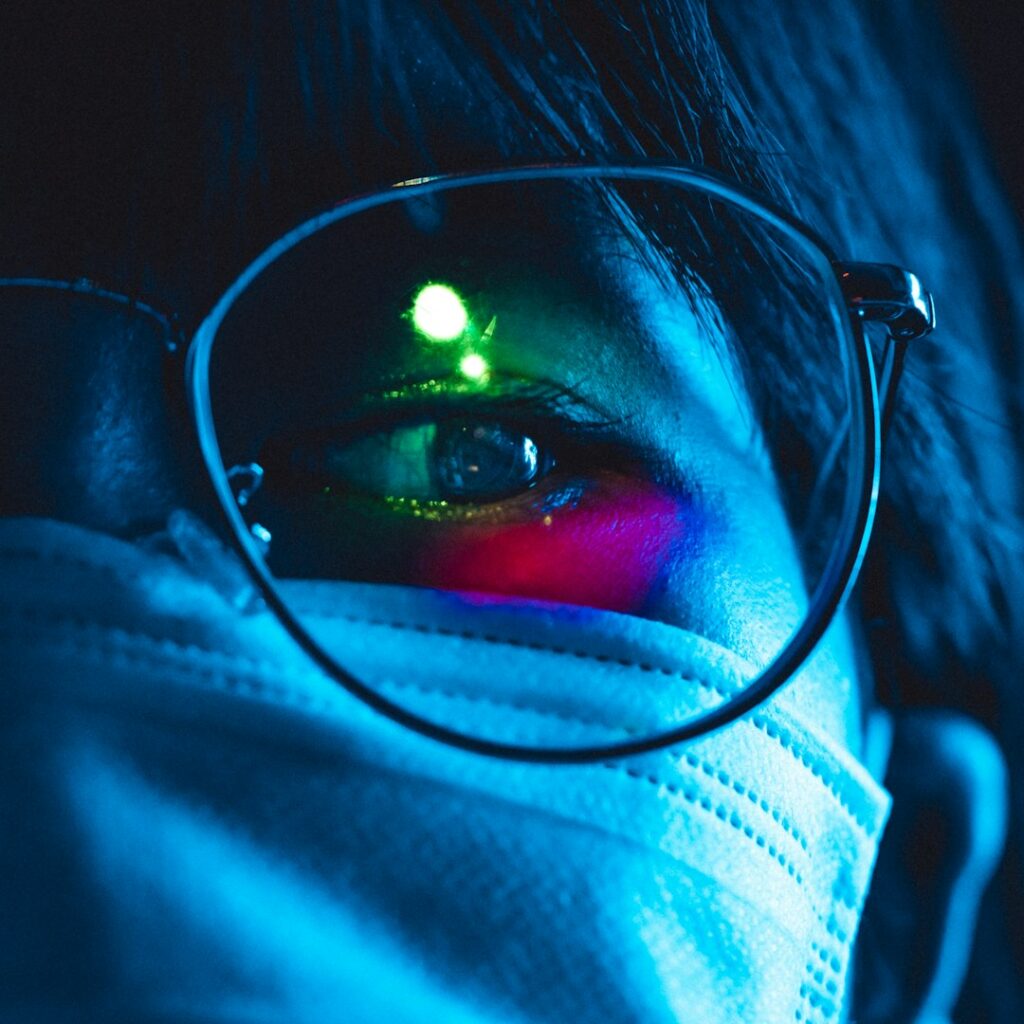
In today’s digital world, screens are everywhere you look—on our desks at work, in our children’s classrooms, and in our hands as we unwind at home. Tullahoma, TN, is no exception. Whether you’re managing your business from downtown, researching hiking trails around Normandy Lake on your tablet, or keeping up with family through your smartphone, chances are you’re spending more time in front of screens than ever before. A question I hear often in my optometry practice is: “Is all this screen time really hurting our eyes?” One of the terms that comes up in this conversation is "blue light." Let’s break down what blue light is, how it could affect your eyes, and what you can do to protect your family’s vision.
What Is Blue Light, and Where Does It Come From?
Blue light is a part of visible light on the spectrum that has a shorter wavelength and higher energy than most other colors. Natural sources, like sunlight, emit blue light, but digital screens—like phones, tablets, laptops, and even LED lights—are artificial sources that contribute to our daily exposure.
In Tullahoma, with an increasing number of households transitioning to smart homes and digital classrooms, blue light exposure is a growing part of local life. After a day working at the office or hiking Short Springs Natural Area while tracking miles on a smartwatch, many of us unwind by watching TV or scrolling online, further increasing our screen time.
How Does Blue Light Affect Eye Health?
Many people are concerned that blue light from screens could be causing digital eye strain or even leading to more serious eye problems. The most common symptoms attributed to prolonged screen time include:
- Dry, irritated eyes
- Headaches
- Blurred vision
- Difficulty focusing
This cluster of symptoms is often referred to as digital eye strain or computer vision syndrome.
Is Blue Light Dangerous?
So far, scientific research has not conclusively shown that the amount of blue light from digital devices causes permanent damage to your eyes. The real culprit behind most discomfort after a busy day at a Tullahoma office, school, or home isn’t necessarily the blue light itself but how we use our screens.
When using digital devices, people tend to blink less frequently. Less blinking means less moisture, leading to dryness and fatigue. Screen multitasking—like checking email while planning a visit to George Dickel Distillery—also causes our eyes to work harder, contributing to the symptoms above.
However, a growing body of evidence is examining whether long-term blue light exposure could have links to retinal injury or its potential role in diseases like age-related macular degeneration. While more study is needed, it’s wise to stay informed and proactive.
Are Blue Light Glasses Worth It?
You might have seen ads for blue light blocking glasses online or at local Tullahoma eyewear shops. These glasses claim to filter out blue light and protect your eyes from screen-related harm. But do they really work?
- Current research: The American Academy of Ophthalmology (AAO) states there is not enough scientific evidence supporting the effectiveness of blue light glasses in reducing digital eye strain. Most discomfort comes from how we use our screens, not the blue light itself.
- When they may help: Some Tullahoma residents say blue light blocking lenses help with glare or falling asleep after late-night device use. If they help you personally, there’s no harm in wearing them—but they shouldn’t replace other healthy screen habits.
Practical Tips for Reducing Screen Strain
Whether you’re working remotely in Tullahoma, helping kids with online homework, or catching up on local events on social media, it’s smart to manage your screen time to protect your eyes. Here are some practical, eye-friendly tips:
- Follow the 20-20-20 Rule: Every 20 minutes, look at something 20 feet away for at least 20 seconds. This can be as simple as gazing out at your backyard or pausing to admire Tullahoma’s beautiful landscape.
- Blink often and use lubricating drops: Make a conscious effort to blink more frequently, especially if your eyes feel dry. Artificial tears can help keep your eyes moist.
- Adjust screen settings: Increase font size, reduce glare by using matte screen covers, and ensure the brightness of your device matches the lighting in your room.
- Limit screen time before bed: Blue light can disrupt sleep by tricking your brain into thinking it’s still daylight. Try winding down with a book or relaxing music before bed.
- Get regular eye exams: A yearly visit to your local optometrist can catch early signs of eye problems and ensure your prescription is up to date, which is especially important if you or your children spend hours in front of screens.

How Local Lifestyle in Tullahoma Plays a Role
With its blend of tech-savvy families, thriving local businesses, and outdoor recreation, Tullahoma offers many ways to balance screen time with eye-healthy activities. Here are a few ideas:
- Get outdoors: Enjoy the Tullahoma Greenway or the trails at Machine Falls. Time in natural light not only reduces blue light exposure but also benefits your overall well-being.
- Encourage device-free zones: Create spaces in your home where screens are off-limits, such as the dinner table or family game night.
- Leverage community resources: Tullahoma’s parks, libraries, and sports leagues offer excellent alternatives to digital entertainment.
The Bottom Line: Is Screen Time Hurting Your Eyes?
To sum it up, while screen time can lead to uncomfortable symptoms like eye strain and dry eyes, blue light from screens does not pose a proven, serious long-term risk to your vision based on current research. The most important thing Tullahoma residents can do is to use their digital devices mindfully—take regular breaks, adjust your settings, and make use of the wealth of local outdoor and offline activities our town has to offer.
If you or your family members are experiencing persistent eye discomfort, headaches, or vision changes, schedule an eye exam with a qualified optometrist. Professional guidance can personalize prevention strategies and offer treatment to keep your eyes healthy amid Tullahoma’s vibrant digital and outdoor lifestyle.
Remember: Healthy eyes are about balance, not just blue light!