

 See My Latest Article on HelloNation
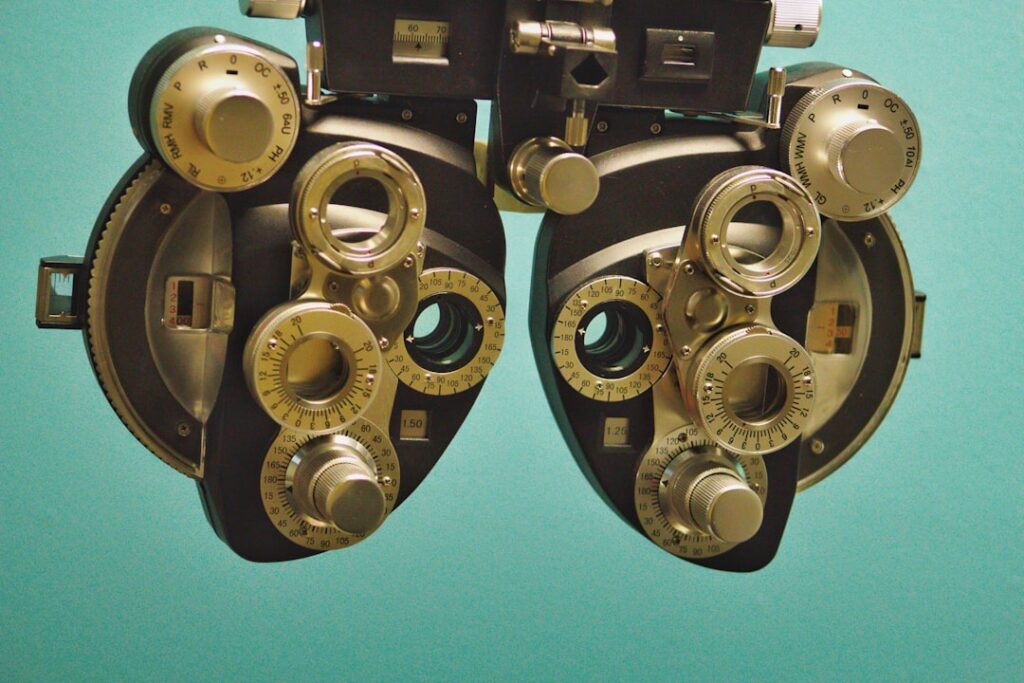
If you’re preparing for your first eye exam in Tullahoma, TN, you might be feeling a little unsure about what to expect. Whether you’ve recently moved to our peaceful corner of Middle Tennessee or you’re a lifelong resident finally prioritizing your eye health, knowing the process ahead of time can make the experience smooth and easy. Here’s a thorough walkthrough to help you feel comfortable about your first visit to the eye doctor.
Why You Should Schedule an Eye Exam
Comprehensive eye exams are not just about checking if you need glasses. Eye health is crucial for your overall well-being, especially in a vibrant community like Tullahoma, with its outdoor festivals, lakeside strolls at Tims Ford, and sports leagues. Eye exams can detect early signs of vision problems, diabetes, high blood pressure, and even some neurological conditions—often before you notice symptoms.
What Happens Before Your Eye Exam
Before your appointment, it’s helpful to gather any current glasses or contact lenses you use, a list of medications, and information about your family’s eye health history. If you enjoy spending weekends hiking Short Springs or playing golf at local courses, let your optometrist know about your lifestyle, as it may influence your eye care needs.
You’ll likely fill out a few forms upon arrival, including details about your general health and any vision issues you’re experiencing. Remember, there’s no need to feel nervous—your eye care team is there to help, not judge.
The Step-by-Step Eye Exam Process
1. Initial Conversation
Your visit begins with a discussion of any concerns or symptoms you have. Be honest about eye strain from office work, headaches you develop after watching the Little League games, or trouble driving during early morning fog—a common sight in Tullahoma.
2. Vision Testing
The classic "which is better, one or two?" test is called a refraction. You’ll read letters on a chart to help determine if you need corrective lenses. This is the part most people remember from previous exams.
- Visual Acuity Test: Measures the sharpness of your vision.
- Refraction Test: Helps determine if you’re nearsighted, farsighted, or have astigmatism.
3. Eye Muscle Movement
The optometrist will check how your eyes move and work together by asking you to follow a small light or pen. If you spend time fishing on Normandy Lake or watching high school sports at Wilkins Stadium, good eye coordination is essential.
4. Examining the Eye Health
Several simple, painless procedures help your doctor assess your eye health:
- Slit Lamp Exam: A microscope with a light checks for cataracts or corneal scratches, especially if you’re often out in the sun.
- Pupil Dilation: Special drops may be used to widen your pupils so the doctor can see the back of your eye. You may be a little more light-sensitive for a few hours, so consider wearing sunglasses when you head out for errands afterward.
- Eye Pressure Check (Glaucoma Screen): A gentle puff of air or a small probe measures the pressure inside your eyes. It’s important for catching glaucoma early.
5. Discussion and Recommendations
After your tests, the optometrist will explain your results. If you need glasses or contacts, you’ll get a prescription tailored to your vision and lifestyle—whether you’re reading in your backyard, enjoying a live music evening downtown, or taking up pickleball at the rec center.
If further tests are necessary, or if any concerns are detected, your doctor will discuss next steps. You’ll have plenty of opportunity to ask questions.
Special Considerations for Tullahoma Residents

Living in Tullahoma comes with unique lifestyle factors that your eye doctor may consider:
- Sun Exposure: With many local opportunities for outdoor fun, expect a reminder about UV protection with quality sunglasses.
- Allergies: Pollen levels can fluctuate. Let your eye doctor know if you suffer from dry, itchy, or red eyes, especially in the spring.
- Screen Time: Whether you work at Arnold Air Force Base or remotely from home, increased screen time can strain your eyes and lead to digital eye fatigue.
Tips for Making Your Eye Exam Easier
- Bring your questions. Write down anything you’re curious or concerned about.
- Know your insurance. If you have vision coverage, bring your card and any required documentation.
- Arrive early. This gives you time to relax, fill out forms, and ask about local frame deals.
How Often Should You Have an Eye Exam?
Most adults should have their eyes checked every one to two years. Children, seniors, and those with medical conditions like diabetes may need more frequent exams. Even if you don’t have obvious vision problems, regular visits ensure you’re seeing your best for all that Tullahoma has to offer.
Final Thoughts: Prioritizing Eye Health in Tullahoma
Your first eye exam is an essential part of overall healthcare—think of it as self-care that keeps you enjoying life in Tullahoma, from sunrise at Lake Tullahoma to stargazing at Hands-On Science Center’s astronomy nights. The process is straightforward, comfortable, and tailored to you.
If you’ve been putting your visit off, there’s no better time to make eye health a priority. Your future self—whether reading a favorite book at the library or taking in the scenery at Frazier McEwen Park—will thank you.