

 See My Latest Article on HelloNation
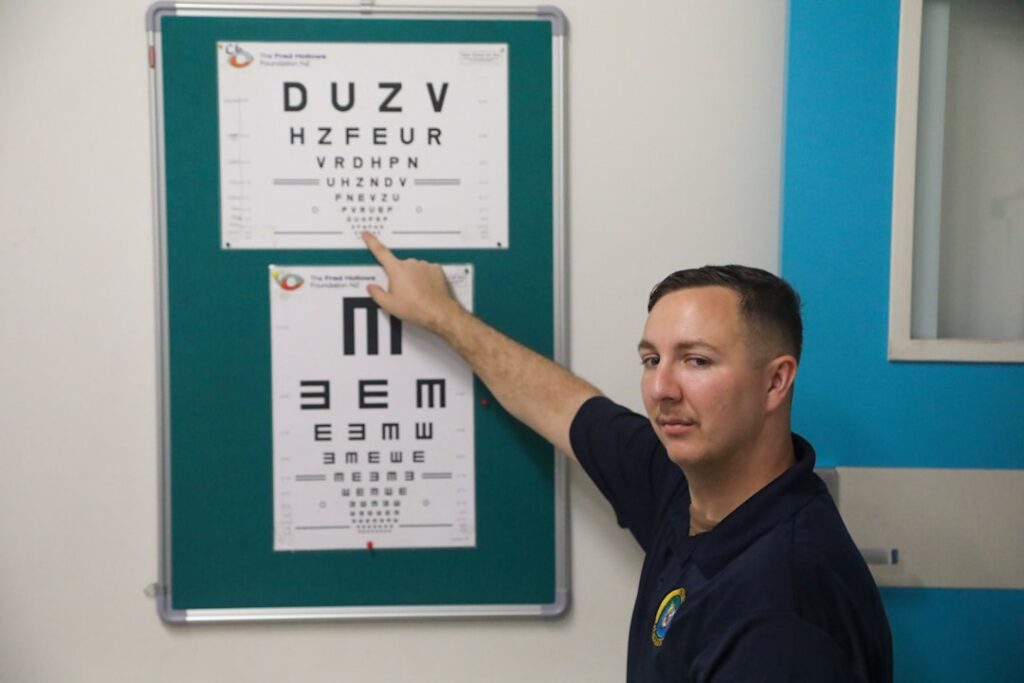
Living in Tullahoma, TN, where the rolling hills meet spirited small-town life, clear vision is a big part of day-to-day enjoyment. Whether you're exploring the beautiful Short Springs Natural Area, watching community baseball at Grider Stadium, or simply driving along North Jackson Street, good eyesight is essential. But what exactly does "20/20 vision" mean, and is it as perfect as people often think? As your local optometrist, let’s dive into this eye-opening topic to help clarify what those numbers truly mean for you and your family.
What Does 20/20 Vision Mean?
When people hear “20/20 vision,” they often equate it with perfect sight. However, it has a specific and somewhat narrow definition in the world of eye care.
- 20/20 refers to a measurement of visual acuity, the clarity or sharpness of vision. If you have 20/20 vision, it means you can see at 20 feet what a person with normal vision can see at the same distance.
- This standard is based on the Snellen chart, the classic eye chart with rows of letters decreasing in size.
- It’s important to know that this measurement only reflects how sharply you see details at a fixed distance—it doesn’t account for other crucial aspects of vision.
Is 20/20 Vision Perfect?
It’s a common misconception that 20/20 vision is “perfect vision.” In reality, vision is much more complex, encompassing more than just seeing clearly at a distance.
What 20/20 Doesn’t Measure
- Depth perception: How well you judge distances between objects.
- Peripheral vision: How much you can see to the sides when looking straight ahead.
- Color vision: How accurately you see colors.
- Eye coordination: How well your eyes work together.
- Contrast sensitivity: Your ability to distinguish objects from the background, which is especially important for Tullahoma residents navigating country roads at dusk or during variable weather conditions.
For example, someone with 20/20 vision could still struggle to see clearly in low light, recognize colors, or have issues with focusing. These limitations may not show up in a standard eye exam but can impact daily life in Tullahoma—from recognizing friends at Coffee County events to spotting wildlife during a walk at Rutledge Falls.
Can You Have Better Than 20/20 Vision?
Actually, yes! Some individuals, especially younger people or those without eye health conditions, can see even better than 20/20. Superior visual acuity is measured as 20/15 or even 20/10, meaning you can see at 20 feet what the “average” person would have to move closer to see.
In the aviation or law enforcement fields—common career paths for several in Tullahoma—better than 20/20 vision can be essential for safety and performance.
What If You Don’t Have 20/20 Vision?
Not having 20/20 vision is more common than you might think, and it’s not necessarily a cause for concern. Many people in Tullahoma wear glasses, contact lenses, or have had corrective procedures to help them see clearly.
Conditions Affecting Visual Acuity
- Nearsightedness (myopia): Difficulty seeing distant objects.
- Farsightedness (hyperopia): Trouble seeing up close.
- Astigmatism: Blurry vision due to irregular curvature of the eye.
Routine eye exams and the right correction can greatly improve your quality of life, keeping you confident whether you’re at work, attending a Bearcats game, or enjoying local arts festivals.
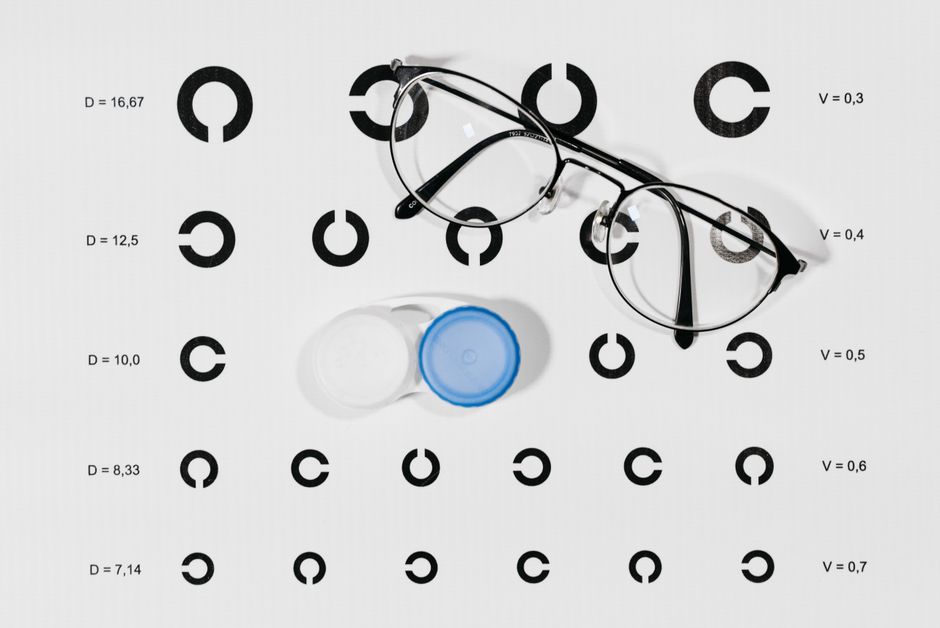
The Importance of Regular Eye Exams in Tullahoma
In a community-oriented town like Tullahoma, being able to see well fosters connection and participation. Annual eye exams are crucial for:
- Monitoring overall eye health, not just acuity.
- Detecting eye diseases early—such as glaucoma, macular degeneration, or diabetic retinopathy—that aren’t always linked to changes in 20/20 vision.
- Staying compliant with requirements for driving, sports, and certain professions.
- Ensuring children’s vision is developing properly so they can learn and play without barriers.
Optimizing Your Vision for Tullahoma’s Lifestyle
Given our town’s love for outdoor recreation and community activities, good eyesight enhances local living. Here are practical tips:
- Protect your eyes during sports or while working outdoors: Always wear appropriate protective eyewear.
- Shield your eyes from UV exposure: Wear sunglasses when attending events like Tullahoma’s annual festivals or working in your garden.
- Rest your eyes from screens: Whether you’re catching up on local news or working remotely, apply the 20-20-20 rule (every 20 minutes, look 20 feet away for 20 seconds).
Conclusion
20/20 vision is a valuable baseline for visual clarity, but it isn’t the be-all and end-all of perfect sight. True “perfect vision” encompasses a range of visual skills and healthy eyes—something that can’t always be summed up by a single pair of numbers.
As your local optometrist in Tullahoma, I encourage you to think beyond just 20/20. Book regular eye exams for yourself and your family, and don’t hesitate to ask questions about the full spectrum of your eye health needs. Whether you’re enjoying sunsets over Normandy Lake or exploring the treasures of downtown, let’s work together to keep your vision at its best.