

 See My Latest Article on HelloNation
If you’re living in Tullahoma, TN, you know how important clear vision is for enjoying our beautiful local parks, exploring the Short Springs Natural Area, or catching a show at the South Jackson Civic Center. Whether you’re spending time outdoors or working at Arnold Air Force Base, your eyesight plays a vital role in your quality of life. But did you know that what you eat can help protect, maintain, or even improve your eye health? Let’s explore the best foods to naturally support your eyesight—and how you can easily find or incorporate these into your Tullahoma lifestyle.
Why Nutrition Matters for Eye Health
The eyes are complex organs that require a variety of vitamins and nutrients to function at their best. Poor nutrition can lead to conditions such as dry eyes, night blindness, cataracts, age-related macular degeneration (AMD), and more. Incorporating nutrient-rich foods into your daily routine can be a simple yet powerful way to protect your eyes for years to come.
The Best Foods to Improve Eyesight Naturally
Wondering what to put on your grocery list or look for at the Tullahoma Farmers’ Market? Here are the top foods to focus on:
1. Leafy Green Vegetables
Spinach, kale, collard greens, and even locally grown Swiss chard are packed with lutein and zeaxanthin. These antioxidants filter harmful blue light and lower the risk of AMD and cataracts. Add leafy greens to salads, omelets, or smoothies for a nutrient boost.
2. Colorful Fruits and Vegetables
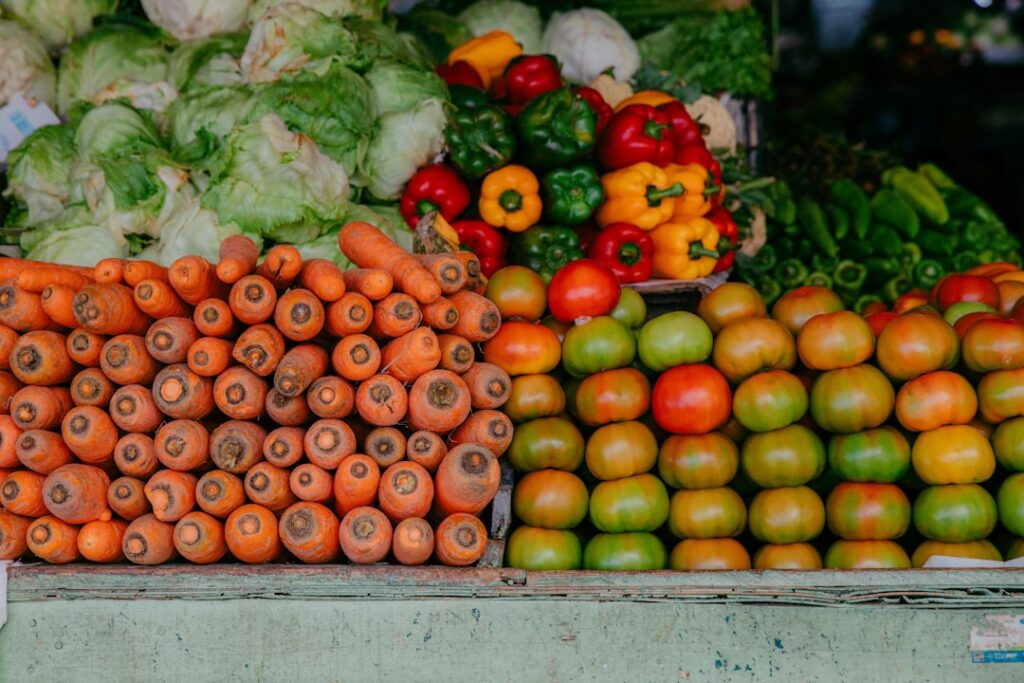
Carrots famously support eye health thanks to their high levels of beta-carotene—a precursor to vitamin A, essential for good vision. Other rich sources include sweet potatoes, pumpkin, and butternut squash, which are easy to find locally, especially during the harvest season in Coffee County.
Oranges, strawberries, and red bell peppers are full of vitamin C, an antioxidant that strengthens eye blood vessels and reduces cataract risk. Snack on these fruits, toss them into salads, or enjoy them as fresh-pressed juices.
3. Omega-3 Rich Fish
Local fish markets often carry salmon, trout, and sardines, which are high in omega-3 fatty acids. Omega-3s reduce inflammation, support retinal health, and help to prevent dry eyes—a condition that can be aggravated by Tullahoma’s changing seasons.
Grill, bake, or pan-sear your fish for a delicious and healthy meal. Not a fan of seafood? Walnuts, chia seeds, and flaxseeds offer plant-based options.
4. Eggs
Egg yolks are another great source of lutein, zeaxanthin, and zinc. These nutrients help decrease your risk of developing macular degeneration and improve night vision. Incorporate eggs from local farms like those found at the Tullahoma Farmer’s Market into your breakfast routine.
5. Nuts and Seeds
Almonds, sunflower seeds, and hazelnuts are loaded with vitamin E, which protects your eyes from age-related damage. A small handful as a snack or sprinkled into oatmeal or yogurt is all you need.
6. Dairy
Dairy products like milk, yogurt, and cheese provide both vitamin A and zinc. These nutrients help maintain cornea health and improve night vision. Look for locally sourced dairy items, which you can often find at regional markets or specialty shops in Tullahoma.
7. Legumes and Beans
Black-eyed peas, kidney beans, lentils, and chickpeas are high in zinc. Zinc brings vitamin A from the liver to the retina, helping to protect the eyes and reduce the risk of vision loss. Add these to soups, salads, or stews for a hearty and nutritious meal.
Practical Tips for a Tullahoma Lifestyle

- Eat local when possible. Take advantage of the Tullahoma Farmers’ Market to find fresh, in-season produce and eggs.
- Grill outdoors. Make healthy meals part of your summer barbecues at lakeside parks or family gatherings by featuring fish and fresh veggies.
- Pack smart snacks. Take almonds or fruit with you on hikes or walks through Tullahoma’s scenic trails.
- Try new recipes that combine several eye-healthy ingredients, such as a spinach and strawberry salad or roasted sweet potato and salmon.
Frequently Asked Questions About Eye-Healthy Diets
Can I really improve my eyesight with food?
While food can’t reverse vision loss from certain conditions, a diet rich in specific nutrients can help maintain and improve eye health over time and delay or prevent some eye diseases.
What foods should I avoid for eye health?
Limit excessive intake of sugary snacks, fried foods, and processed foods, as these can contribute to inflammation and increase the risk of diabetes, which is a leading cause of vision loss.
Are supplements necessary?
For most people in Tullahoma who eat a varied and balanced diet, supplements aren’t needed. However, those at risk for certain deficiencies, or with family history of eye disease, should consult their optometrist.
When to See Your Local Optometrist
Even if you have a healthy diet, routine eye exams are vital. Early detection is the key to treating many common vision problems. If you notice sudden changes in your eyesight, light sensitivity, or persistent dry eyes, schedule an appointment with your trusted local optometrist in Tullahoma.
Eat Well, See Well—For Life
Eating to support your vision is one of the simplest, most natural ways to take care of your eye health. Whether picking up locally grown produce or making smart choices at the grocery store, every step counts. Remember: Your eyes are worth the investment—so why not start today?