

 See My Latest Article on HelloNation
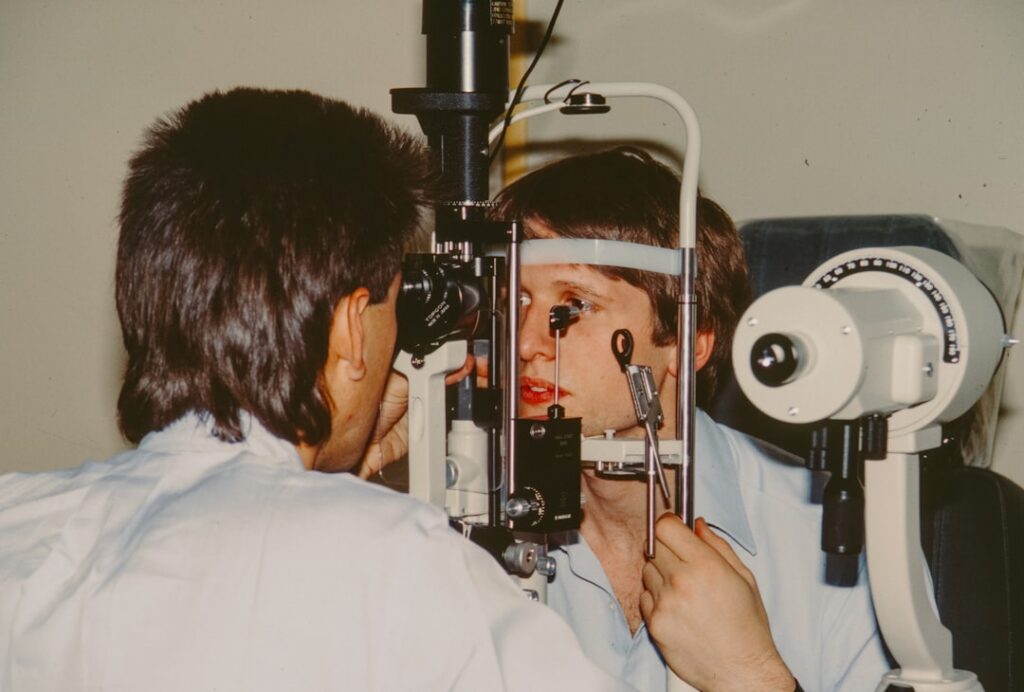
Living in Tullahoma, TN, means experiencing everything from outdoor festivals and sporting events to days on beautiful trails and evenings spent with friends at local coffee shops. But whether you’re taking in the sunset over Short Springs or driving along country roads, one thing should always be clear—your vision. That’s why regular eye exams are essential. But how often should you get your eyes checked? Let’s look at expert recommendations and how they fit into the Tullahoma lifestyle.
Why Regular Eye Exams Matter
Many people put off booking eye exams if they see fine or don’t notice changes in their vision. However, yearly or biannual checks are about much more than new glasses. Eye exams in Tullahoma clinics can detect early signs of conditions like glaucoma, macular degeneration, or even diabetes. Some eye conditions develop so gradually that you may not notice until it’s advanced.
General Recommendations for Eye Exam Frequency
The best schedule for eye exams depends on your age, overall health, and personal or family eye health history. The American Optometric Association (AOA) provides a helpful guide for how often you should see an optometrist:
- Children (ages 3–5): At least one eye exam to check for visual development problems.
- School-aged children (6–18): Before first grade and every 1–2 years after, unless otherwise advised.
- Adults (18–39): Every 2 years, or more frequently if you wear glasses, contact lenses, or have risk factors.
- Adults (40–64): Every 2 years, shifting to every year if vision problems or risk factors arise.
- Seniors (65+): Annual exams recommended, as age-related issues are more common.
What About People with Existing Eye Conditions or Risk Factors?
Some residents in Tullahoma may have eye or health conditions that warrant more frequent exams. You’re at higher risk if you:
- Have diabetes or hypertension
- Have a family history of eye diseases such as glaucoma or macular degeneration
- Wear contact lenses
- Have had eye surgery or injury
- Take medications with potential eye side effects
Anyone falling into these categories should consult their optometrist about a personalized eye exam schedule—often annually or even more frequently.
Adapting to the Tullahoma Lifestyle: Why Local Factors Matter
Tullahoma is blessed with sunny days perfect for outdoor activities but also sees its fair share of allergens thanks to the lush greenery. Residents might spend weekends at Tims Ford Lake or hiking the Whispering Pines Trail, so protecting your eyes and having your optometrist assess for sun or allergy-related eye conditions is crucial.
Local considerations for eye care in Tullahoma include:
- Allergy season: Pollen can cause eye irritation or contribute to dry eye.
- Recreational injuries: Outdoor sports, DIY home projects, and gardening pose risks for accidental eye trauma.
- Sun exposure: UV rays—especially while fishing, boating, or at local parks—can increase cataract risk and damage the eyes over time.
Because of these factors, it’s wise for Tullahoma residents to take eye safety seriously and stick to the recommended exam schedule.
Signs It’s Time to Schedule an Eye Exam—Don’t Wait
While regular exams are essential, don’t wait for your scheduled appointment if you notice:
- Sudden or persistent vision changes
- Eye pain or discomfort
- Flashes of light or floaters
- Increased sensitivity to light
- Redness, itching, or excessive tearing

Prompt attention might prevent a minor issue from becoming a lasting problem.
Children’s Vision: Ensuring Success at School and Play
The Tullahoma City School District offers diverse academic and extracurricular options. Clear vision helps students perform their best—whether reading in class, playing sports, or working on projects. Annual eye exams can catch issues like nearsightedness, farsightedness, or astigmatism early. If your child complains of headaches, squints, or has trouble concentrating, an exam is even more important.
Adult and Senior Eye Health: Enjoying All Tullahoma Has to Offer
For adults working on screens, driving, or enjoying local wineries and breweries, good sight is key. For seniors, regular exams help prevent and manage age-related eye conditions so you can keep enjoying family, hobbies, and everything Tullahoma offers.
Making Eye Exams Convenient in Tullahoma
Many local eye clinics and optometrists offer flexible hours and comprehensive services, accommodating busy family, work, or school schedules. Regular eye exams don’t take long but offer a lifetime of clearer vision and improved eye health.
Healthy Habits for Eye Protection Year-Round
To keep your eyes healthy between visits to your Tullahoma eye doctor:
- Wear sunglasses with UV protection outdoors.
- Use protective eyewear for home repairs or yard work.
- Take frequent breaks from screens—follow the 20-20-20 rule (every 20 minutes, look at something 20 feet away for 20 seconds).
- Maintain a healthy diet rich in leafy greens, fish, and other vision-supporting foods.
- Stay hydrated—especially important on warm, sunny days in Tennessee.
Final Thoughts: Eye Exams Are a Part of Total Wellness
Being proactive about eye health means you won’t miss out on the sights of Tullahoma—whether it’s watching loved ones perform at South Jackson Civic Center or spotting wildlife on a morning walk. Schedule your next eye exam according to the recommended frequency for your age and health, and don’t hesitate to see your local optometrist if something feels off. Protect your vision so you can continue to enjoy all the beauty and activity our town has to offer.