

 See My Latest Article on HelloNation

Can Everyday Habits and Lifestyle Improve Vision Clarity?
Small changes in daily habits may help reduce eye strain and support overall eye health, but they will not reverse most common vision conditions such as nearsightedness, farsightedness, or astigmatism. For residents of Tullahoma, everyday activities—like long drives, using digital devices, and enjoying outdoor life—demand clear vision. While healthy eyes are critical, natural methods are generally best for comfort and prevention, not for reshaping the eye to eliminate glasses or corrective surgery.
Common practice in the city includes:
- Taking regular breaks from screens, which can reduce fatigue and dryness. The 20-20-20 rule (look 20 feet away for 20 seconds every 20 minutes) can be helpful, especially for those using computers frequently at work or school.
- Adjusting lighting in homes and workplaces to prevent glare.
- Ensuring adequate sleep and hydration, as tired or dehydrated eyes feel gritty and less sharp.
These strategies support comfort, but will not fundamentally change prescription vision.
Are There Exercises That Can Sharpen Eyesight?
Eye exercises often circulate online or by word-of-mouth, promising better vision. However, for residents of Tullahoma, such exercises mostly help with focusing flexibility and eye coordination, rather than reversing refractive errors.
A few exercise types that might provide comfort or help with certain visual tasks include:
- Focusing on a near and then a distant object, which can relax eye muscles.
- Following a slowly moving object—such as tracking a pen—to enhance tracking ability.
While these habits can help relieve eye fatigue or support comfortable vision during reading or detail work, they do not “cure” the need for glasses in those with refractive errors like nearsightedness or farsightedness. True anatomical changes to the eye (the basis for prescriptions) do not respond to exercise.
Does Nutrition Make a Real Difference for Vision?
A balanced diet can support long-term eye wellness, especially with age-related conditions. Many people in Tullahoma enjoy gardening or shopping for fresh produce, and certain nutrients are especially beneficial for eyes:
- Leafy greens (rich in lutein and zeaxanthin)
- Orange vegetables (high in vitamin A)
- Oily fish (for omega-3 fatty acids)
- Citrus fruits (vitamin C)
Good nutrition supports eye health and may help reduce risk of conditions like macular degeneration later in life, but it will not eliminate the underlying cause of blurred vision such as a misshapen cornea or lens.
Are There Myths About “Training” Eyes to Avoid Glasses?
The belief that consistent practice—such as “not relying on glasses”—will force the eyes to adapt and improve on their own is widespread, including among some local households. However, this is a common misconception. Not wearing glasses when they are needed typically results in eyestrain, headaches, and tiredness—not improved vision.
Children’s eyes, in particular, should be closely monitored, since untreated refractive errors can affect learning and development. Adults who avoid using prescribed correction may notice more discomfort but will not see anatomical correction by withholding glasses.
What About Blue Light and Eye Health in Tullahoma?
In a city where many households have several digital devices in active use, blue light exposure is a frequently discussed concern. Blue light does not cause permanent eye damage or "ruin vision," but it can lead to discomfort from prolonged device use—especially in the evenings.
Simple steps for local residents include:
- Reducing screen time before bed to support natural sleep cycles
- Using ambient lighting in the home, rather than working in the dark with screens
- Taking regular breaks from extended device usage
These approaches help prevent eye fatigue but do not change underlying vision prescriptions.
Can Outdoor Activities Influence Vision?
Spending time outdoors, especially for children and teens in Tullahoma, has been associated with a slightly lower risk of developing certain vision problems like progressing nearsightedness. Exposure to natural daylight may help slow the progression of childhood myopia, though it does not reverse existing prescriptions for most people.
For adults, regular time outside supports overall wellbeing and can help reduce digital eye strain, thanks to the opportunity to focus at varying distances.
Are Alternative Remedies or Supplements Effective?
Widespread information online suggests that herbal drops, special supplements, or holistic “vision therapies” can dramatically improve vision. Scientific evidence for these methods is lacking. A reputable diet and standard eye care remain the best supported approaches for lifelong eye health. Residents should use caution and avoid unproven or expensive alternative therapies.
What Realistically Preserves Eye Health for the Long Term?
For residents of Tullahoma interested in keeping their eyes healthy:
- Protect eyes from UV light with hats or sunglasses during outdoor activities
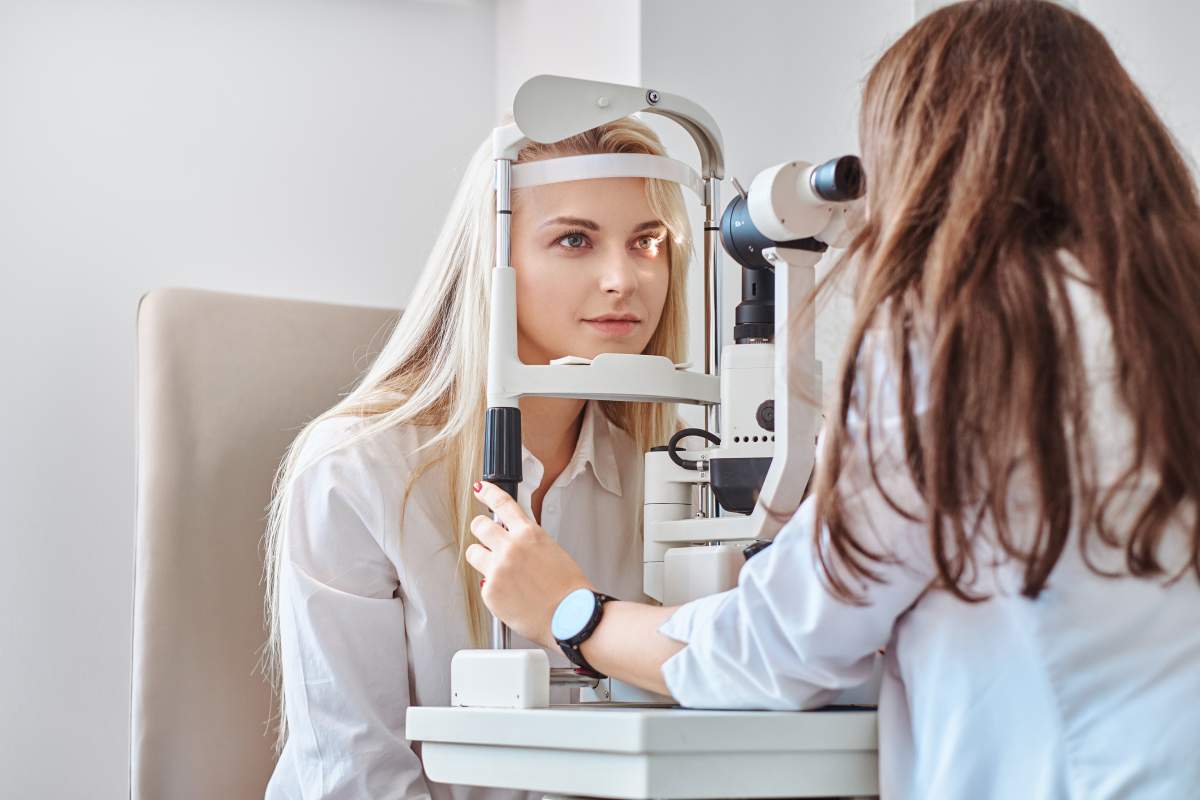
- Maintain regular vision checks, especially for children and older adults
- Manage other health conditions, like diabetes or high blood pressure, that affect eye health
- Avoid smoking, which increases the risk of several eye diseases
These actions can prevent some age-related or disease-related problems, but they will not naturally reverse refractive errors (the need for glasses or contacts). While there is no reliable way to improve vision without corrective lenses or surgery, adopting these habits can maximize eye comfort, keep eyes healthy, and may slow the progression of certain conditions.