

 See My Latest Article on HelloNation

What Are Cataracts?
Cataracts are a common age-related eye condition in which the clear lens of the eye becomes cloudy, leading to vision problems. This cloudiness can develop slowly, making it difficult for people to notice changes in their vision at first. Many adults in Tullahoma, TN begin to experience symptoms gradually over several years, especially those over age 60.
A healthy lens focuses light onto the retina so that what you see remains clear and sharp. When a cataract forms, it scatters light, much like looking through a foggy window. This blurriness often worsens over time if not treated.
What Symptoms Might Indicate Cataracts?
Cataracts most often cause subtle vision changes that can impact daily activities for local residents. Common symptoms include:
- Blurred or cloudy vision that persists regardless of cleaning your glasses
- Difficulty seeing clearly in low light, such as during the region’s early winter sunsets or when driving at night
- Sensitivity to glare from streetlights or headlights—particularly noticeable on low-traffic rural roads
- Frequent changes to your eyeglass prescription
- Colors appearing faded, yellowed, or less vibrant
Some people experience double vision in one eye or find reading fine print is more challenging, especially in dimly lit rooms. If you notice increasing trouble with day-to-day tasks like reading, recognizing faces across the living room, or comfortable night driving, a cataract may be part of the cause.
What Causes Cataracts?
While most cataracts are related to aging, several factors seen in the Tullahoma community can contribute to their development:
- Natural Aging: The vast majority of people over 60 will develop some degree of lens clouding.
- Sun Exposure: Spending time outdoors without wearing UV-protective sunglasses may speed up changes in the eye lens over many years, even with the seasonal cloud cover common locally.
- Chronic Health Conditions: Diabetes, hypertension, and certain metabolic issues increase cataract risk.
- Medications: Long-term steroid use is an established factor—something to discuss with healthcare providers if relevant.
- Eye Injuries or Surgery: Past eye trauma, which can occur during sports, home projects, or accidents, may lead to early cataract formation in some.
- Smoking: Tobacco use speeds up lens aging, a point especially relevant for residents who have or formerly had this habit.
A common misconception is that cataracts only form in older age. While rare in younger people, some children and young adults may develop cataracts due to genetic conditions, underlying health issues, or previous eye injuries.
How Are Cataracts Diagnosed Locally?
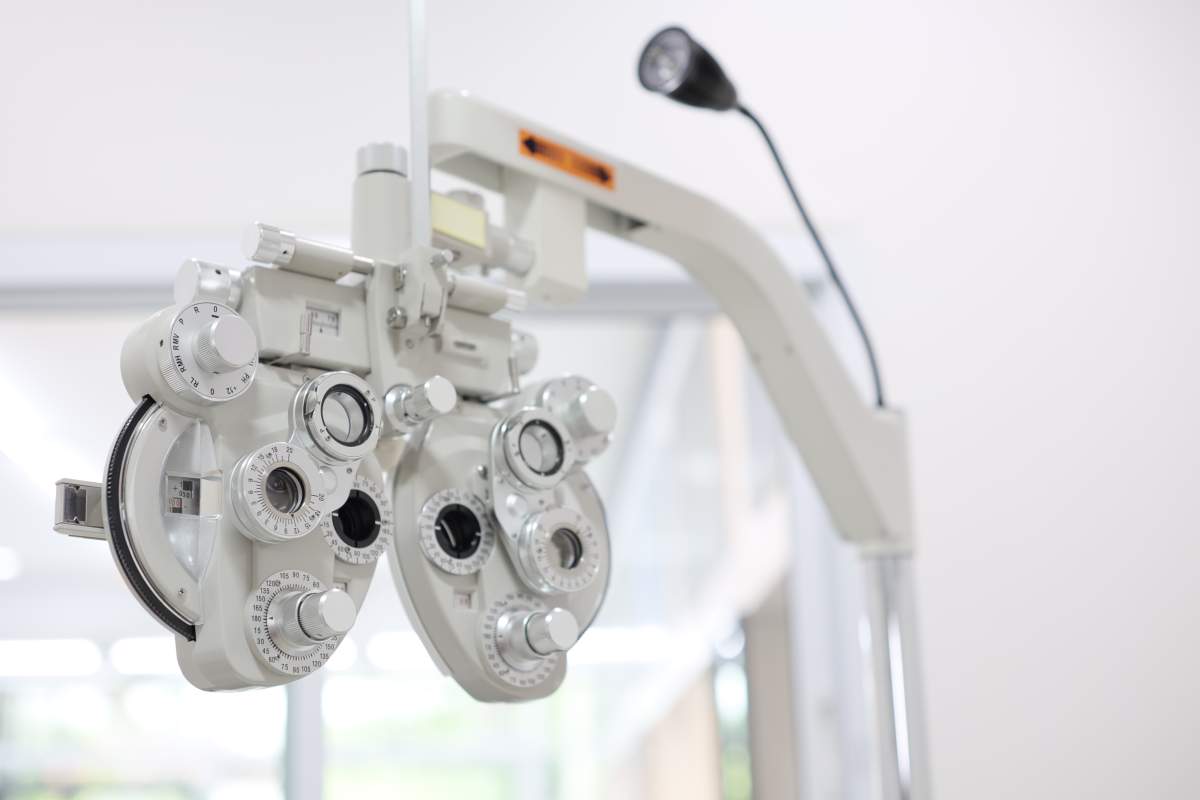
A complete eye exam is needed to confirm a cataract. During a visit, an optometrist or ophthalmologist uses specialized equipment to examine the lens and check visual clarity. This examination is similar whether you are seen through a primary eye care clinic or a larger medical group in Tullahoma.
Residents who notice persistent vision changes are often surprised to learn that not all blurry vision comes from cataracts. Instead, it could be due to dry eyes, general shifts in eyesight, or health-related eye conditions. Only a proper evaluation can distinguish between these causes.
Are Cataracts Preventable?
While cataracts are partly an unavoidable part of aging, there are steps that may help slow their progression, particularly relevant for area households:
- Wearing sunglasses that block 100% of UVA and UVB radiation whenever outdoors—even in winter, when sunlight reflects off outdoor surfaces
- Managing diabetes and blood pressure with guidance from healthcare providers
- Avoiding tobacco use
- Eating a diet rich in leafy greens, which supply antioxidants (though this alone cannot prevent cataracts)
- Using protective eyewear during outdoor chores, sports, or when working with tools
Though these actions can lower risk or slow progression, no home remedy has been proven to reverse existing lens clouding.
What Treatment Options Exist?
For early cataracts that do not disrupt daily life, simple steps like improved lighting or updated prescription glasses can help improve vision. This approach is particularly useful for local residents who need more time to decide on further care.
When symptoms become more significant—such as reading difficulties, ongoing glare issues while driving on back roads at twilight, or trouble seeing household details—surgery is the definitive solution. Cataract surgery is widely considered safe and effective, with most patients enjoying improved sight soon after. The procedure involves removing the cloudy lens and replacing it with a clear artificial lens.
Most people in the community recover from surgery within a few weeks. Activities such as gardening, walking along local trails, or reading in the comfort of home typically resume quickly, but detailed aftercare instructions must be followed to reduce rare complications.
What Should Residents Watch For After Surgery?
Following surgery, it is normal to experience some minor discomfort, light sensitivity, or watery eyes for a short period. Serious risks, such as infection or vision loss, are uncommon if post-surgical guidelines are followed.
People often worry that cataracts may “come back” after removal, but the cloudy lens does not regrow. Occasionally, a cloudy film develops behind the new lens months or years later—a condition known as posterior capsule opacification. This can cause similar symptoms but is typically resolved with a quick, office-based laser treatment.
How Do Cataracts Affect Daily Life in Tullahoma?
For many local residents, cataracts most noticeably impact familiar routines, like:
- Navigating roads during early morning fog or dusk, when glare and reduced contrast are common
- Working on hobbies that require good color vision or attention to detail, such as quilt-making or gardening
- Reading menus in area restaurants with dim lighting
- Spotting wildlife or identifying familiar faces at social gatherings
Awareness of these impacts helps individuals, friends, and family members recognize when vision changes are significant enough to prompt a visit for a thorough eye examination.