

 See My Latest Article on HelloNation

What Is Glaucoma?
Glaucoma is a group of eye conditions that cause damage to the optic nerve, the part of the eye that carries visual information to the brain. This damage is often linked to increased pressure inside the eye, though not everyone with glaucoma has high eye pressure. If left untreated, glaucoma can lead to permanent vision loss, making it a major cause of blindness in adults.
Although glaucoma can develop in anyone, it most commonly affects people over the age of 40. In the community, knowledge about glaucoma can help spread awareness and promote earlier detection.
How Does Glaucoma Affect Vision?
Glaucoma gradually steals sight, often starting with peripheral (side) vision. Early on, the changes are so subtle that most people won’t notice anything wrong. Over time, as the disease progresses, the loss of vision becomes more apparent and, if undetected, can lead to tunnel vision or even complete blindness.
Many area residents ask: “Will I feel anything if I’m developing glaucoma?” The truth is, most common forms of glaucoma cause no pain or obvious symptoms until substantial damage has occurred. That’s why understanding warning signs is so important.
What Are the Early Signs of Glaucoma?
Because the most prevalent form—open-angle glaucoma—develops so slowly, there are often no symptoms in the early stages. People may maintain sharp central vision for years as peripheral vision gradually fades.
Some signs that may indicate glaucoma, especially as it advances, include:
- Patchy blind spots in peripheral or central vision, often overlooked at first
- Increasing difficulty seeing things out of the corner of the eye
- Needing more light for reading or daily tasks
A much less common type, called angle-closure glaucoma, can come on suddenly and cause:
- Severe eye pain
- Headache, nausea, or vomiting
- Blurred vision or halos around lights
- Reddening of the eye
If these sudden symptoms occur, they may signal a medical emergency.
Who Is at Risk for Glaucoma in Tullahoma?
The risk of developing glaucoma increases with certain factors that are relevant to local residents. Age is the most significant—those over 60 are at increased risk.
Other important risk factors include:
- Family history—if a parent or sibling has glaucoma, risk rises considerably
- African American, Hispanic, or Asian ancestry
- Having high eye pressure (intraocular pressure)
- Chronic health problems like diabetes or high blood pressure, which are relatively common in area households
- Long-term use of steroid medications
- Severe nearsightedness or farsightedness
- Previous eye injury or surgery
It’s a misconception that only seniors need to worry about glaucoma. While risk increases with age, people in their forties—especially with family history—should also stay aware.
How Can Glaucoma Be Detected Early?
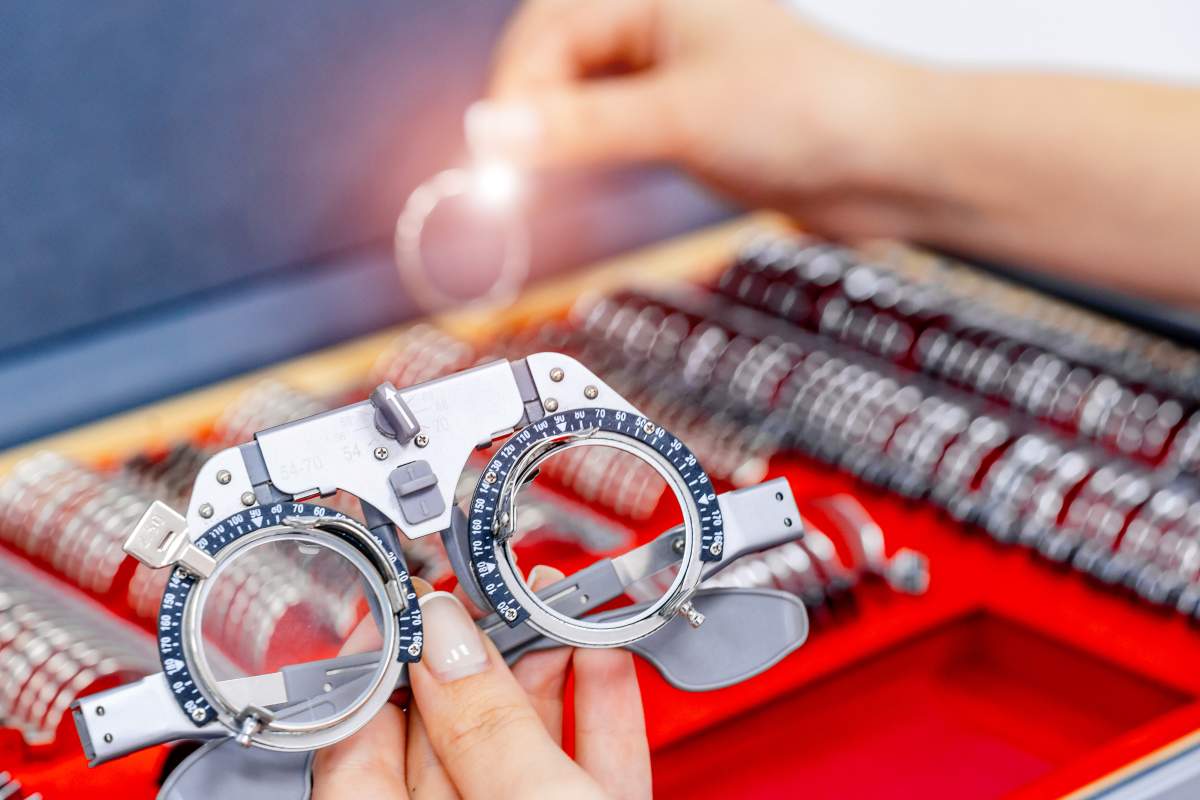
Regular comprehensive eye exams are the only reliable way to detect glaucoma in its early stages. These exams can measure eye pressure, inspect the optic nerve, and check side vision.
Even those who feel their vision is good should still schedule routine evaluations, especially if they have known risk factors. Early detection provides the chance to slow or prevent significant vision loss. In Tullahoma households, many people learn they have glaucoma during routine checks—well before symptoms are noticeable.
Are There Factors Unique to Local Residents?
The city’s population includes many older adults and families with histories of eye disease. Certain chronic health issues like diabetes and hypertension also occur more frequently than average, both of which can increase glaucoma risk. Seasonal allergies prevalent in the community can lead some individuals to use steroid-based eye drops, another contributing factor when used long-term.
Additionally, the region’s sunny climate and outdoor lifestyle can increase UV exposure, potentially playing a small role in eye health over a lifetime. Wearing protective eyewear outside and maintaining regular eye checkups are sensible habits.
What Do People Often Overlook About Glaucoma?
Two common misconceptions persist locally:
- Vision loss from glaucoma is reversible—unfortunately, it is not. Any lost sight cannot be restored, making early detection and ongoing management essential.
- Glaucoma always causes symptoms—open-angle glaucoma rarely produces warning signs at first.
Some people also mistakenly believe basic vision screenings, like those at the DMV or community fairs, are a substitute for an eye health exam. Comprehensive testing is necessary to spot early nerve damage.
How Can Residents Lower Their Risk?
While not all glaucoma cases are preventable, several practical measures can support eye health:
- Maintain routine eye exams suited to age and personal risk factors
- Manage chronic conditions such as diabetes and hypertension, as these can contribute to eye pressure changes
- Never stop or start medications without medical advice, especially steroids
- Use sunglasses with UV protection for outdoor activities
- Practice eye safety during yard work, sports, or home repairs to avoid injuries
Understanding family medical history is also helpful—sharing this information with an optometrist can lead to more personalized care.