

 See My Latest Article on HelloNation
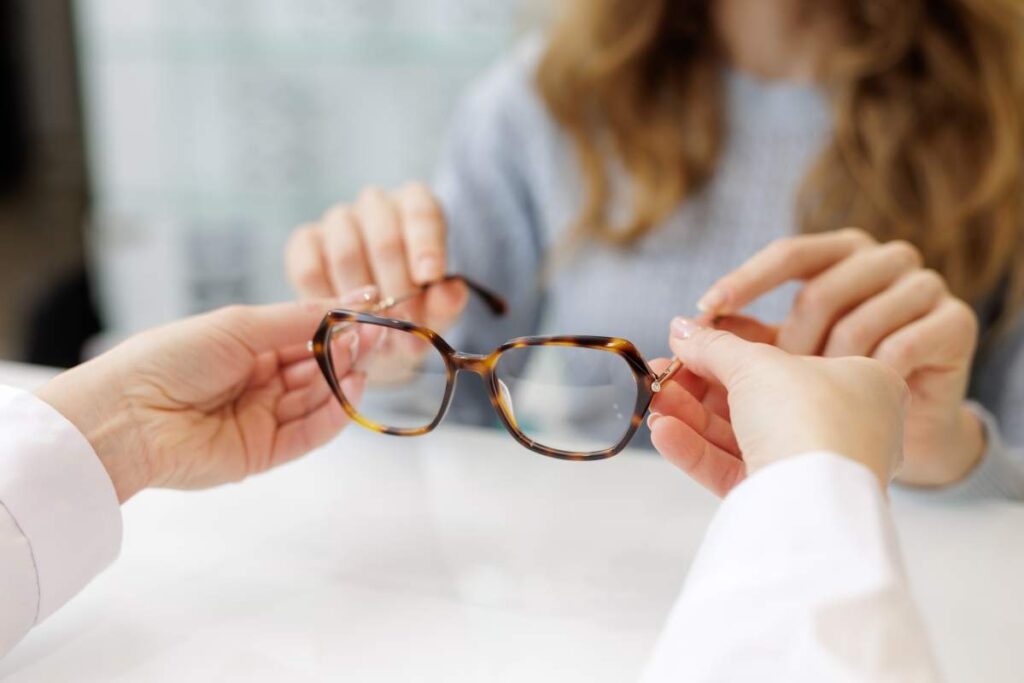
Many people hear conflicting advice about eyeglasses. Some believe glasses weaken the eyes, others think wearing them creates dependence, and some assume headaches or blurry vision are simply part of adjusting. Most of these ideas are incomplete or inaccurate.
For residents in Tullahoma, TN, understanding what glasses can and cannot do makes it easier to recognize vision changes, protect children’s developing eyesight, and use eyewear safely in daily life.
Do glasses make your eyes weaker?
No. Wearing prescription glasses does not weaken the eyes or make vision deteriorate faster.
Glasses work by bending incoming light so it focuses more accurately on the retina. They improve clarity while being worn, but they do not change the basic shape or health of the eyes. If vision changes over time, the cause is usually natural development, aging, eye disease, or another health factor—not the glasses themselves.
Some people feel they see worse after removing glasses because they have become accustomed to clear vision. That feeling is not evidence that the eyes have become dependent. It simply makes the uncorrected blur more noticeable by comparison.
Do glasses create dependence?
Glasses do not cause physical dependence. A person may choose to wear them more often because clear vision is safer and more comfortable, especially for driving, reading classroom material, working on a computer, or recognizing signs at a distance.
A prescription may also seem to “stop working” after a period of time. This usually means the eyes have changed or the lenses are no longer providing the needed correction. Children and teenagers may experience prescription changes as their eyes develop, while adults may notice increasing difficulty with close work as focusing ability changes with age.
Can wearing the wrong prescription damage the eyes?
An incorrect prescription generally does not permanently harm healthy eyes, but it can cause temporary discomfort. Possible symptoms include:
- Headaches
- Eyestrain
- Blurred or distorted vision
- Trouble judging distance
- Feeling dizzy or unsteady
- Achiness around the eyes
These symptoms may be more noticeable when a person is using an old prescription, borrowing someone else’s glasses, or wearing lenses that are poorly centered in the frame. Glasses that are uncomfortable or consistently produce blurry vision should not be ignored, particularly if the problem is new or affects driving and other safety-sensitive activities.
Is it harmful to read, use screens, or work up close while wearing glasses?
No. Reading, sewing, studying, and using digital devices do not wear out the eyes. Close work can cause temporary eye fatigue, dry eyes, or headaches, especially when people blink less often or work for long periods without changing focus.
Helpful habits include:
- Looking across the room periodically during extended near work
- Blinking fully and frequently
- Adjusting screen brightness to match the surrounding room
- Keeping reading material at a comfortable distance
- Improving lighting rather than relying on dim or harsh illumination
- Reducing glare from windows and overhead lights
In Tullahoma, seasonal outdoor brightness and changing indoor lighting can make glare more noticeable during driving, schoolwork, or time near windows. Sunglasses can reduce brightness outdoors, but ordinary sunglasses are not a substitute for prescription correction when clear vision is needed.
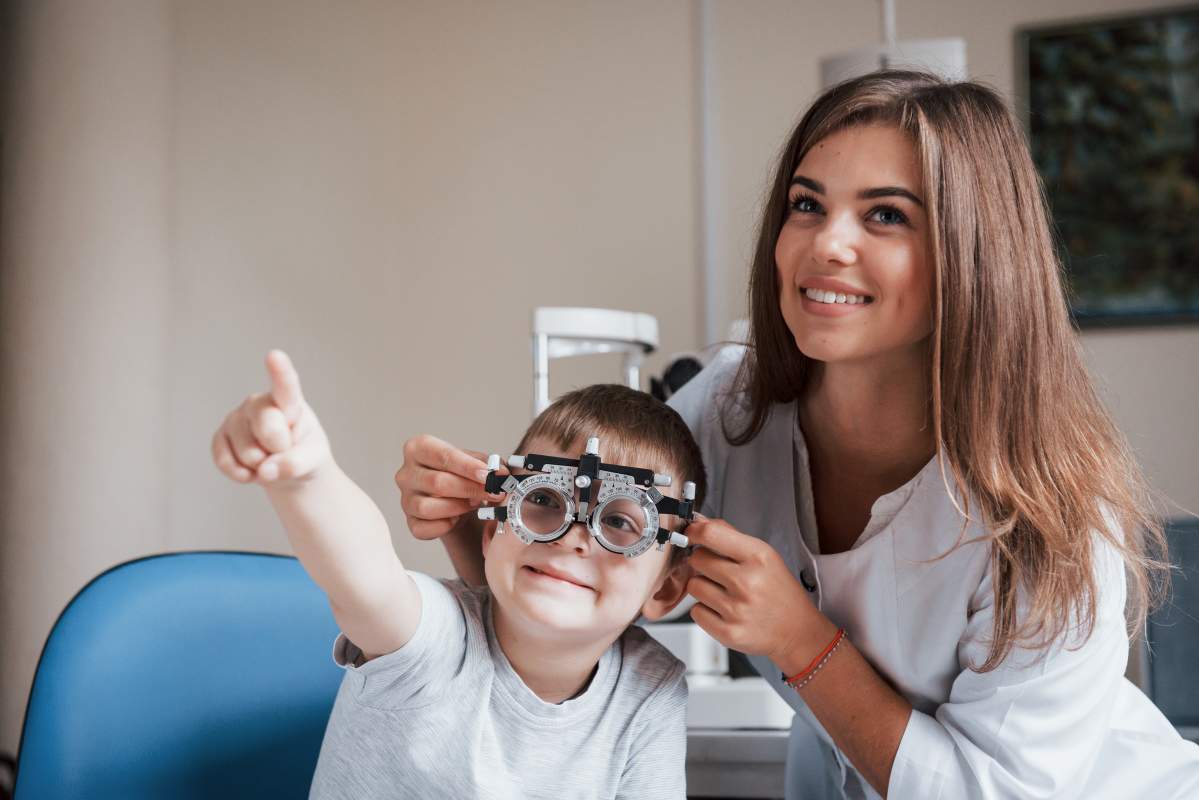
Do children outgrow the need for glasses?
Sometimes a child’s prescription changes, but parents should not assume that a child will simply outgrow blurred vision.
Clear vision is especially important during early development because the brain is learning how to use information from both eyes. Significant differences in prescription between the eyes, misalignment, or uncorrected farsightedness or nearsightedness can interfere with normal visual development. In some cases, glasses are part of preventing or treating amblyopia, sometimes called “lazy eye.”
The American Optometric Association recommends a comprehensive eye examination at 6–12 months of age, at least once between ages 3 and 5, before first grade, and annually thereafter for school-age children. Children with symptoms, a known eye condition, a family history of certain problems, or other risk factors may need examinations more often.
Vision screenings at a pediatrician’s office, school, or community setting are useful for identifying some children who may need further evaluation, but they are not a substitute for a comprehensive eye exam with an optometric physician. A screening may not assess eye coordination, focusing ability, eye health, or the difference in prescription between the two eyes.
Can carrots, eye exercises, or going without glasses improve vision?
A balanced diet supports overall health, but eating carrots does not remove the need for prescription lenses. Vitamin A is important for normal vision, yet most people can obtain adequate amounts through a varied diet.
Eye exercises may help with certain diagnosed coordination or focusing problems, but they do not generally eliminate nearsightedness, farsightedness, or astigmatism. Similarly, deliberately avoiding glasses does not train the eyes to see clearly. It often leads to squinting, eye fatigue, or difficulty with school, work, and navigation.
If a child repeatedly removes glasses, sits close to screens, avoids reading, or complains of headaches, the issue may be poor fit, an outdated prescription, discomfort, or a different vision problem.
Are blue-light glasses necessary for screen use?
Special blue-light lenses are not required to prevent damage from ordinary computer, tablet, or phone screens. Prolonged screen use can still produce temporary discomfort because of reduced blinking, close focusing, glare, or poor workstation setup.
People who notice symptoms may benefit more from frequent distance breaks, larger text, better lighting, proper screen placement, and attention to dry-eye symptoms. Evening screen exposure may also interfere with sleep, but that is different from proving that screens are damaging the retina.
Are regular glasses safe for sports and physical work?
Regular prescription glasses improve vision but are not designed to protect the eyes from impact. They can break, shift, or fail to shield the eyes from objects approaching from the side.
Protective eyewear is appropriate for activities involving flying debris, tools, chemicals, projectiles, or contact sports. Prescription-compatible protective options may be available for people who need vision correction. This distinction matters for children playing sports, adults working with equipment, and anyone doing home repairs or yard work.
When does blurry vision require prompt attention?
A gradual need for a stronger prescription is common, but sudden or unusual symptoms should be taken seriously. Prompt medical evaluation is appropriate for sudden vision loss, a curtain-like shadow, new flashes or many floaters, significant eye pain, marked redness, double vision, or vision changes after an injury.
Glasses can correct focusing errors, but they cannot treat every cause of blurry vision. A comprehensive eye examination can help distinguish an ordinary prescription change from a problem involving the cornea, lens, retina, nerves, or general health.
The most useful view of eyeglasses is simple: they are optical tools that make images clearer. They do not weaken the eyes, create dependence, or replace eye-health examinations. Proper prescriptions, suitable protective eyewear, and attention to sudden symptoms are more reliable than common myths.