

 See My Latest Article on HelloNation
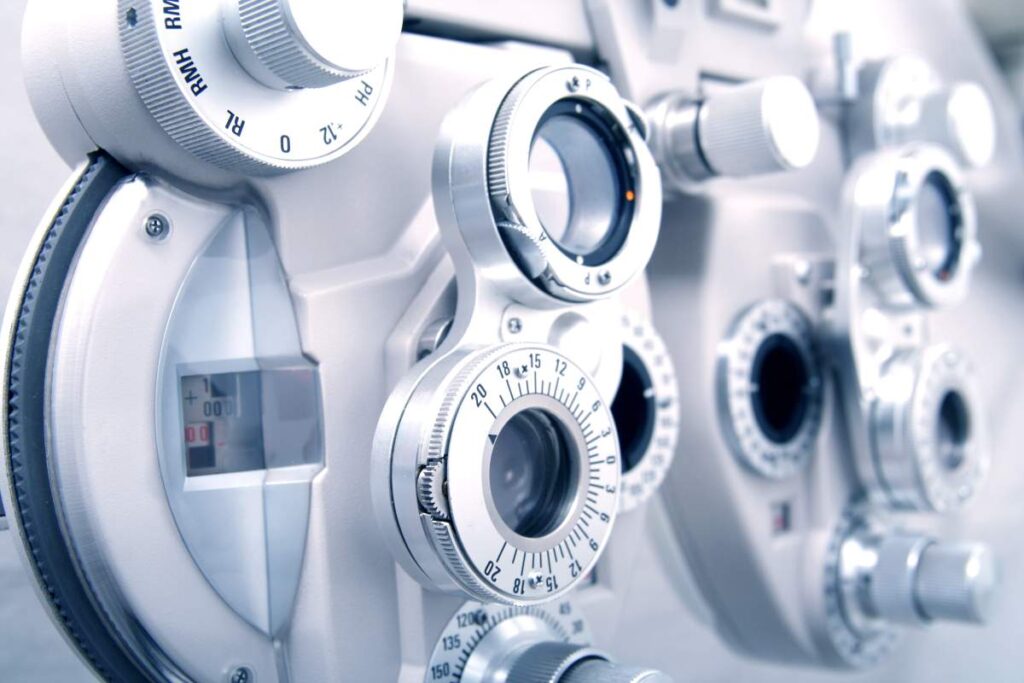
Children do not always recognize or explain that their vision is blurry, doubled, or uneven. They may assume everyone sees the same way, or they may adapt by using one eye more than the other. Parents in Tullahoma, TN can often spot early clues by watching how a child reads, plays, moves through rooms, and responds to visual tasks.
Early attention matters because some childhood vision problems can affect visual development, learning, coordination, and depth perception. Amblyopia, sometimes called “lazy eye,” may become harder to treat if it is not identified while the visual system is still developing. ([nei.nih.gov](https://www.nei.nih.gov/eye-health-information/eye-conditions-and-diseases/amblyopia-lazy-eye?utm_source=openai))
What behaviors may suggest a child is having trouble seeing?
The most useful warning signs are changes in behavior during activities that require clear vision. A child may not say “I cannot see,” but may show the problem in less direct ways.
Watch for a child who:
- Squints or frequently narrows the eyes
- Closes or covers one eye
- Tilts the head or turns the face to one side
- Holds books, homework, or screens unusually close
- Sits very close to a television or moves toward classroom displays
- Loses their place while reading
- Skips words, rereads lines, or avoids reading
- Rubs the eyes often
- Complains of headaches, eyestrain, blurry vision, or double vision
- Becomes irritable or tired during close-up work
- Bumps into objects more than expected
- Has difficulty catching, throwing, coloring, cutting, or judging distances
These signs do not prove that a child has an eye disease. They can result from nearsightedness, farsightedness, astigmatism, difficulty coordinating the eyes, eye irritation, or another condition. Still, persistent or repeated signs deserve attention rather than being dismissed as poor concentration or a lack of interest in schoolwork. ([cdc.gov](https://www.cdc.gov/vision-health/prevention/youth-vision-problems.html?utm_source=openai))
Is an eye that turns always a problem?
An eye that regularly turns inward, outward, upward, or downward should be evaluated. This misalignment is called strabismus. A child may alternate which eye turns, or the drifting eye may only be noticeable when the child is tired, distracted, or looking at something up close.
Occasional eye crossing in very young infants can occur as the visual system develops, but persistent crossing or drifting is not something parents should simply wait out. The brain may begin relying more heavily on one eye and ignoring information from the other. This can contribute to amblyopia and reduced depth perception.
A child may also have a smaller or intermittent eye turn that is difficult to notice at home. A normal-looking appearance does not guarantee that both eyes are working equally well. A comprehensive eye examination measures more than whether the eyes appear straight. ([nei.nih.gov](https://www.nei.nih.gov/eye-health-information/eye-conditions-and-diseases/amblyopia-lazy-eye?utm_source=openai))
What are the less obvious signs of amblyopia?
Amblyopia can be difficult for families to detect because the stronger eye may compensate for the weaker one. Children with the condition may function well during everyday activities and may not complain.
Possible clues include:
- Consistently favoring one eye
- Resisting when one eye is covered
- Difficulty with stairs, playground equipment, sports, or other depth-related tasks
- Turning the head to use a preferred viewing angle
- Trouble copying from a board or locating small objects
- A history of premature birth, low birth weight, or childhood eye conditions in close relatives
Amblyopia is not caused by laziness. It develops when the brain does not receive or properly use equally clear information from both eyes during childhood. Treatment depends on the cause and may involve glasses, patching, prescribed eye drops, or other care. Earlier identification generally gives the developing visual system a better opportunity to respond. ([nei.nih.gov](https://www.nei.nih.gov/eye-health-information/eye-conditions-and-diseases/amblyopia-lazy-eye?utm_source=openai))
Could headaches or reading problems be related to the eyes?
Yes. Headaches after reading, writing, homework, or digital-device use can sometimes be linked to an uncorrected prescription or difficulty making the eyes work together at close range.
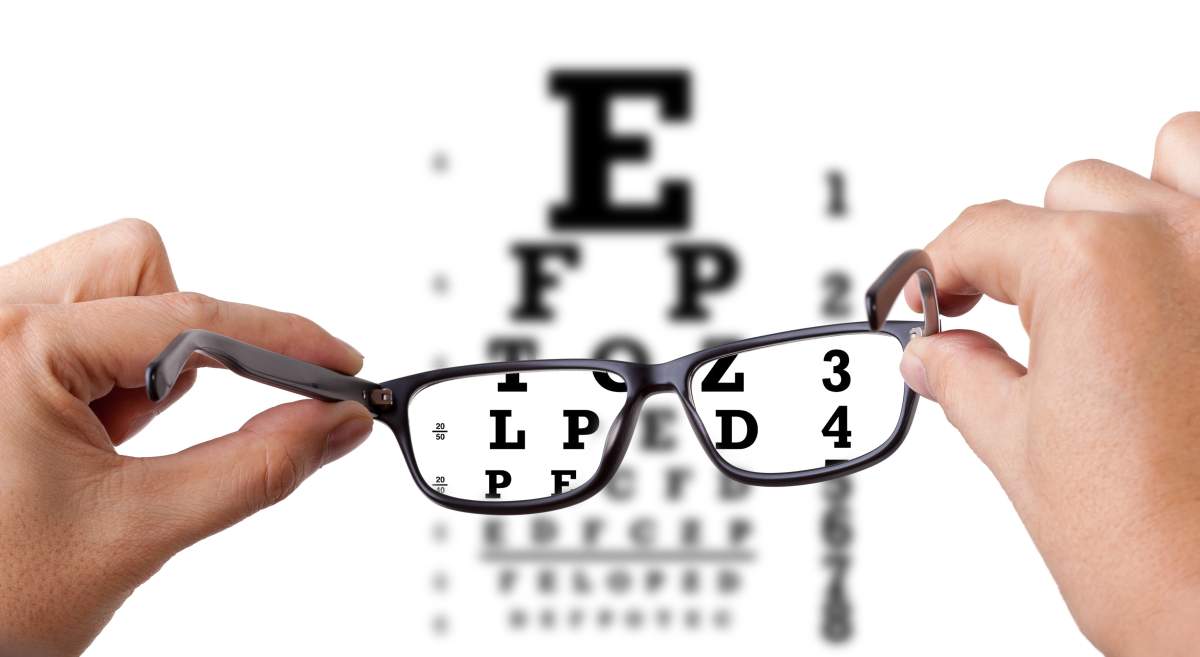
Convergence insufficiency is one example. A child with this problem may see clearly at a distance but struggle to keep both eyes aimed at the same nearby target. Symptoms can include words seeming to move, losing one’s place, slow reading, eye rubbing, blurred vision, double vision, or closing one eye.
These symptoms are sometimes mistaken for dyslexia, attention difficulties, or a lack of effort. Vision problems do not explain every reading or learning concern, but checking visual function is a sensible part of understanding the full picture. ([cdc.gov](https://www.cdc.gov/vision-health/prevention/youth-vision-problems.html?utm_source=openai))
What eye changes require prompt medical attention?
Some symptoms should not wait for a school screening or a convenient future visit. Seek prompt medical evaluation if a child has:
- Sudden loss or major reduction of vision
- Severe eye pain
- A new, persistent eye turn
- A white or unusual reflection in the pupil
- A visibly cloudy front of the eye
- Significant swelling, bleeding, or an eye that appears pushed forward
- New flashes, many dark spots, or a curtain-like shadow
- A chemical splash, penetrating injury, or object stuck in the eye
- Severe light sensitivity with redness, pain, or vision changes
For a chemical exposure, immediately flush the eye with clean water while arranging urgent medical care. Do not rub the eye or attempt to remove an embedded object. Eye injuries involving chemicals, sharp objects, or a direct forceful impact require especially prompt attention. ([aapos.org](https://www.aapos.org/glossary/vision-screening-description?utm_source=openai))
How are children’s eyes checked?
The American Optometric Association recommends a comprehensive eye exam between 6 and 12 months of age, at least one exam between ages 3 and 5, and another before a child enters first grade, with annual exams throughout the school years. A vision screening at a pediatrician’s office, school, or community setting can flag basic concerns like reduced visual acuity, but it is not a substitute for a comprehensive eye exam performed by an optometric physician, who evaluates eye health, focusing ability, eye teaming, and overall visual development.
An exam for a preschool-age child looks different from an adult exam. Because young children can’t read an eye chart or describe their symptoms, the optometrist relies on age-appropriate tools — pictures, lights, and hand-held objects — along with techniques that don’t require a verbal response to assess focusing, alignment, and eye health. Children with symptoms, developmental concerns, a family history of childhood eye problems, premature birth, or a failed screening may need an exam sooner or more often.
Parents can help by sharing specific observations rather than only saying that a child “seems to have trouble seeing.” Note whether the problem occurs during reading, outdoor play, sports, screen use, or in dim rooms. Teachers and caregivers may also notice behaviors that are not obvious at home.
How can families support healthy vision at home?
Good visual habits do not replace an eye examination, but they can reduce strain and help families notice changes. Children benefit from regular breaks during prolonged close-up work, adequate sleep, time outdoors, balanced nutrition, and protective eyewear for activities that could send debris or equipment toward the eyes.
Seasonal irritation can also complicate the picture for area households. Pollen, dust, and dry indoor air may cause temporary itching or rubbing, but persistent squinting, headaches, blurred vision, or eye misalignment should not automatically be blamed on allergies.
The most reliable warning sign is a pattern: a child repeatedly avoiding visual tasks, compensating with one eye, or struggling in ways that are new or worsening. A timely eye evaluation can distinguish ordinary irritation from a vision problem that needs treatment.