

 See My Latest Article on HelloNation
Why Are Regular Eye Exams So Important for People With Diabetes in Tullahoma, TN?
Routine eye exams do more than simply update an eyeglasses prescription; for people with diabetes, they are a crucial way to protect vision. Diabetes can quietly damage the small blood vessels in the back of the eye, leading to serious complications before any obvious symptoms appear. In a climate like Tullahoma, where seasonal activities keep residents outdoors and active, safeguarding eye health is part of maintaining an independent, enjoyable lifestyle.
How Does Diabetes Affect the Eyes?
Diabetes can cause fluctuations in blood sugar levels, putting strain on blood vessels throughout the body—especially the eyes. Unchecked, these changes may harm the retina, the part of the eye that processes light and sends signals to the brain.
- The most common complication is diabetic retinopathy, where these vessels leak fluid or bleed.
- Other eye conditions associated with diabetes include diabetic macular edema, cataracts, and an increased risk of glaucoma.
Most forms of diabetic eye disease progress quietly over time. People often see no changes in their vision until significant damage has occurred—making regular exams the only reliable way to catch early warning signs.
What Are the Signs That Something May Be Wrong?
While many people with diabetes notice no symptoms early on, a few warning signs may eventually appear:
- Blurriness or hazy vision
- Sudden increase in floaters or flashes of light
- Trouble seeing at night or in low light
- Dark or empty spots in the visual field
If any of these develop, it’s important to seek care as soon as possible, since timely intervention can often slow or prevent permanent vision loss.
What Happens During a Diabetic Eye Exam?
Eye exams for people with diabetes are more detailed than standard vision checks. The process is straightforward but thorough:
- Medical history review, focusing on diabetes management and changes since the previous visit
- Visual acuity tests
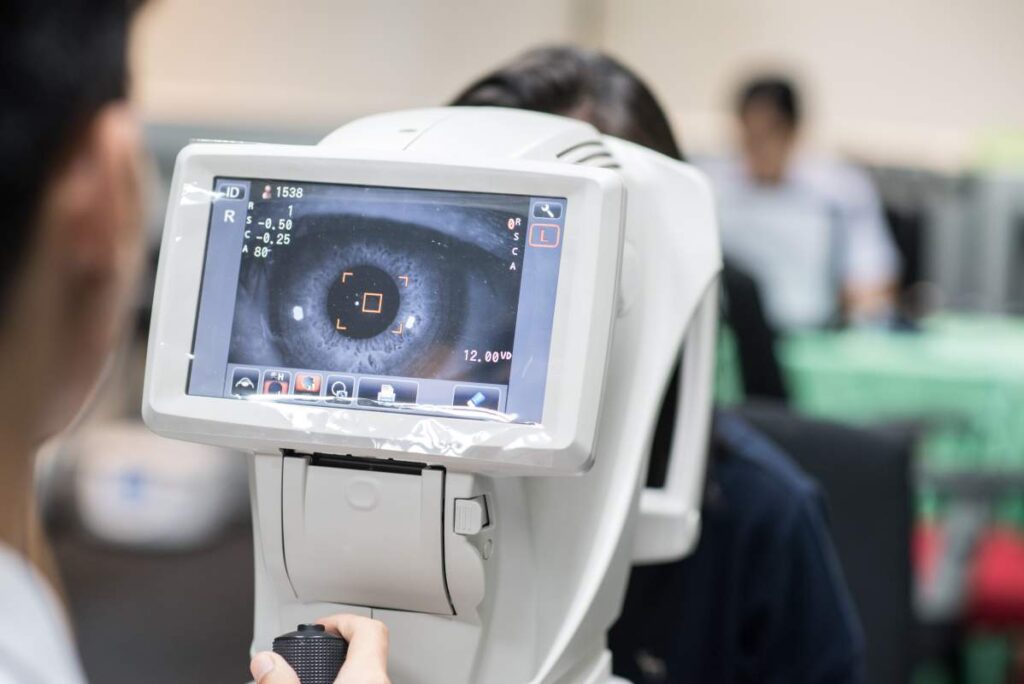
- Measurement of eye pressure (to screen for glaucoma)
- Dilated retinal exam, where the pupil is widened with drops so the optometrist can inspect the retina and optic nerve in detail
- Imaging, such as optical coherence tomography (OCT), may be used to capture high-resolution views of the retina if needed
This comprehensive approach allows for early detection and monitoring of even minor changes, helping Tullahoma residents stay a step ahead of potential problems.
How Often Should People With Diabetes Have Eye Exams?
The recommended schedule is generally once per year, or more frequently if problems are detected. Young people with type 1 diabetes are usually advised to have their first exam within five years of diagnosis, while those with type 2 diabetes should have an exam shortly after being diagnosed.
Because conditions like diabetic retinopathy can worsen seasonally or with other health changes, sticking to a regular schedule—even if vision seems fine—matters for long-term eye health.
Can Local Factors in Tullahoma Affect Eye Health for People With Diabetes?
Individuals living in Tullahoma are exposed to variable weather, pollen seasons, and a range of outdoor activities across the year. While these factors don’t directly cause diabetic eye disease, they can contribute to eye discomfort and dryness, which may be exacerbated by diabetes.
Seasonal allergies are common in the area during spring and fall, sometimes making existing eye problems more uncomfortable but not replacing the need for a medical exam. Understanding the difference between irritation from pollen and signs of more serious vision problems can be challenging, so regular eye exams help rule out issues unrelated to diabetes.
Are There Ways to Reduce the Risk of Diabetic Eye Disease Locally?
Managing diabetes with consistent monitoring of blood sugar, blood pressure, and cholesterol reduces the risk of eye problems. For Tullahoma residents, these habits are key:
- Regular, balanced meals using local, fresh produce when available
- Staying physically active year-round, making use of community parks or walking areas
- Protecting eyes from sun and wind when outdoors, as UV light and dust can be irritants
Practicing good overall health habits works in tandem with scheduled exams to help protect vision.
What Are Some Common Misconceptions Among People With Diabetes?
A few beliefs can put people at higher risk for vision loss:
- “My vision seems fine, so my eyes must be healthy.” Diabetic eye disease typically progresses without symptoms until it is far advanced.
- “Good diabetes control means my eyes are protected.” While strict control lowers risk, routine monitoring is still necessary.
- “Changes are only related to aging.” Not all vision changes are due to getting older—some may signal diabetic complications.
Awareness of these misconceptions helps area households understand why consistent eye checkups matter, even without immediate problems.
What Should Residents of Tullahoma Expect from Diabetic Eye Care?
Exams tailored for diabetes include personalized education and counseling aimed at helping individuals maintain both visual and overall health. Residents can expect clear explanations about exam findings, follow-up needs, and ways to care for their eyes at home.
With regular care, most people with diabetes in Tullahoma are able to enjoy full participation in work, recreation, and social activities—helping preserve independence and overall quality of life for years to come.